Hot Tub Chemicals 101: What You Need and How to Use Them
August 4, 2020



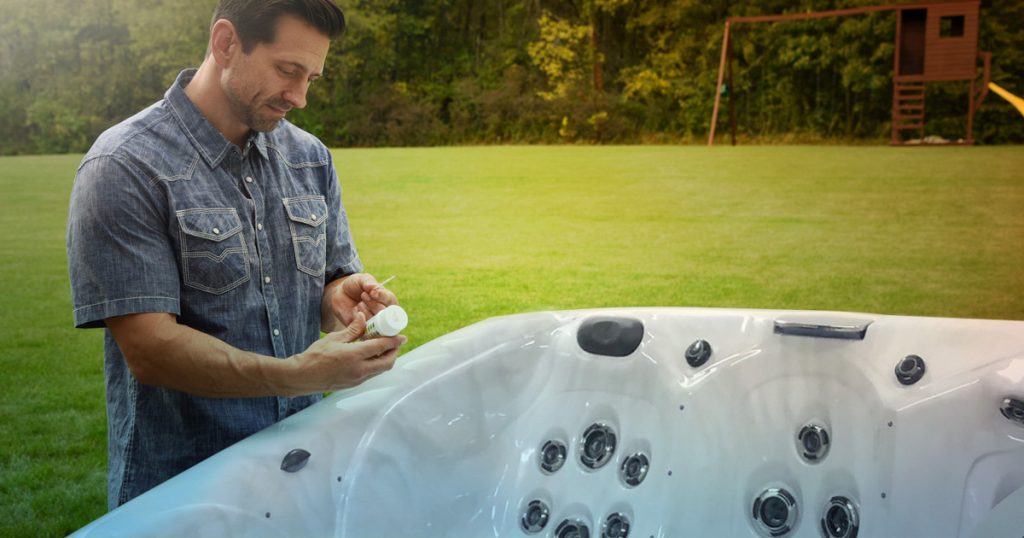
Buying a hot tub is exciting. But once it’s delivered and filled, many new owners quickly realize they have questions about water care — especially when it comes to chemicals.
Regular hot tub maintenance helps keep your spa water clean, clear, and ready to use whenever you want to relax. Many hot tubs include systems that help support water care, such as mineral filtration or even a salt system. But no matter what setup your spa has, every hot tub owner still needs to add some chemicals as part of routine water care.
Some products might only be used occasionally. Others are essentials that every spa owner should keep on hand.
So what hot tub chemicals should you always keep at home, whether you have a traditional water care system or mineral filtration like the EcoPur system from MasterSpas?
This hot tub chemical guide will help you make sure that you have everything you need to care for your water so you can spend more time enjoying your spa and less time on maintenance.
What Hot Tub Chemicals Do You Need?
While you don’t want to experience a hot tub water issue, it’s better to be prepared. You might have to delay your soak for 20 minutes so the hot tub chemicals can do their work. However, that’s better than skipping it or having to make an impromptu shopping trip for hot tub chemicals.
Products to adjust pH
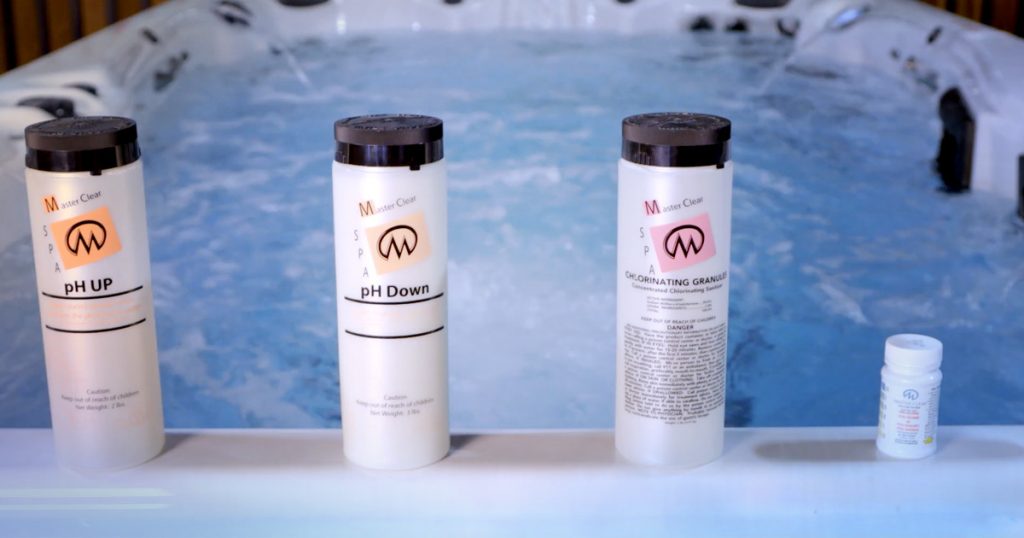
Keeping your hot tub’s pH level balanced is an important part of routine water care. Most owners keep both a pH increaser and a pH decreaser on hand so they can quickly adjust the water after testing.
pH measures how acidic or basic the water is. For hot tubs, the ideal range is typically between 7.2 and 7.8. When the pH falls outside this range, it can affect both comfort and water quality.
Low pH can make the water more acidic, which may irritate skin and eyes and potentially damage spa components. High pH can lead to cloudy water, scaling, and sanitizer that doesn’t work as effectively.
When to adjust pH: Test your water regularly. If the pH is below the recommended range, add a pH increaser. If it’s too high, use a pH decreaser to bring the water back into balance.
Non-chlorine shock
Shocking your hot tub helps restore water clarity and sanitation. A shock treatment works by breaking down contaminants that build up in the water, such as body oils, lotions, and chloramines.
When you shock the water, sanitizer levels temporarily rise above the normal range. This process helps eliminate bacteria and other unwanted compounds so your sanitizer can work more effectively.
When to shock your hot tub: Most owners shock their spa once a week or after heavy use. It’s also a good idea to shock the water if it starts to look cloudy or develops an odor.
Sequestering agent
A sequestering agent helps control minerals and metals that can be present in your water supply, such as calcium, iron, or copper. These elements can cause staining, scale buildup, or even discolor the water, turning it brown, red, orange, or green.
When to add a sequestering agent: Add a sequestering agent when filling your hot tub for the first time and any time you refill it with fresh water. Using one during startup helps bind minerals and metals so they don’t cause staining, scale, or cloudy water later.
Sanitizer
Every time someone uses your hot tub, bacteria and other contaminants are introduced into the water. A sanitizer helps keep the water clean and safe by controlling bacteria and maintaining proper water balance.
Most hot tub owners use either chlorine or bromine as a sanitizer. For MasterSpas hot tubs, sodium dichlor granules are often recommended because they dissolve quickly and begin sanitizing the water right away.
When to add sanitizer: Sanitizer should be added regularly as part of your routine water care. Many owners add a small amount after each use to help maintain proper sanitation.
Defoamer
Defoamer is a quick fix for foamy hot tub water. Foam is usually caused by a buildup of body oils, lotions, cosmetics, and detergents that enter the water when people use the spa.
Following a regular water care routine and showering before using the hot tub can help prevent foam from forming. But it’s still a good idea to keep defoamer on hand — especially if you’re hosting friends or using the spa more frequently than usual.
When to use defoamer: Add a small amount if foam appears on the water’s surface. Defoamer works quickly to break down bubbles and restore clear water, although maintaining balanced water chemistry is the best long-term solution.
Calcium
When you test your hot tub water, one of the levels you’ll check is calcium hardness. This measurement reflects the amount of dissolved minerals — primarily calcium — in the water.
If calcium hardness is too low, the water can become corrosive and potentially damage metal components in the spa. If it’s too high, scale can form on surfaces and equipment, and the water may appear cloudy.
How to manage calcium hardness: Hot tub owners typically keep a calcium hardness increaser on hand to raise levels if they fall too low. If calcium levels become too high, partially draining and refilling the spa with fresh water is often the easiest way to bring them back into balance.
Test strips
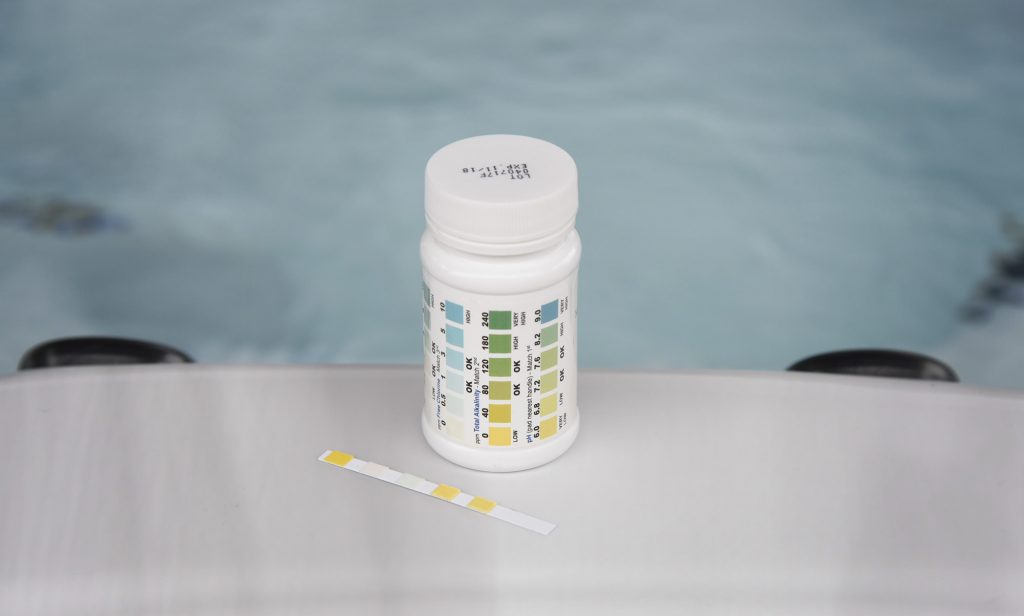
To keep your water balanced, you’ll need a reliable way to check sanitizer levels, pH, and other water chemistry. Test strips or liquid test kits allow you to quickly see when adjustments are needed. Regular testing helps prevent many common water issues before they start.
Storing hot tub chemicals
The best place to store your hot tub chemicals is in a place where you can easily access them. You’ll be less likely to keep up with water care if it feels like work to just get to the chemicals.
But there are some best practices that will keep your products effective and keep you safe and healthy.
- Choose a cabinet or container that can sit off the ground and, if possible, can be locked. Consider a waterproof cabinet with shelves that does not affect the aesthetic of your backyard design.
- Keep them cool and dry. Hot tub chemicals are made to dissolve in water so it’s important that they do not get wet or mix with other products. If your backyard gets a lot of sun or you live in a hot climate, a place like the garage could be a better option.
- Keep them in original packaging. You want to make sure that you can reference the manufacturer’s directions.
- Lock the chemicals or put them out-of-reach from children.
How to add hot tub chemicals safely
Adding chemicals to your hot tub isn’t complicated, but following a few simple steps will help keep your water balanced and protect your spa equipment.
1. Test your water first
Before adding any chemicals, use test strips or a water testing kit to check sanitizer levels, pH, alkalinity, and calcium hardness. Testing helps you determine exactly what adjustments are needed.
2. Add chemicals to the water — never water to chemicals
Always add chemicals directly to the hot tub water. Never pour water into a container of chemicals, which can cause a dangerous reaction.
3. Sprinkle chemicals evenly across the surface
With the pumps running, slowly sprinkle granular chemicals across the surface of the water. This helps them dissolve quickly and distribute evenly throughout the spa.
4. Start with a small amount
It’s always better to start with a smaller dose and add more if needed. Adding too much chemical at once can throw off the water balance and require additional adjustments to correct it.
5. Allow time for circulation
Keep the jets or circulation pump running so the chemicals dissolve and mix completely. In many cases, you should wait 15 to 30 minutes before using the spa.
Taking a few minutes to test and adjust your water will help keep it clear, comfortable, and ready whenever you want to relax.
Hot tub chemicals FAQ
What chemicals do you need for a hot tub?
Most hot tub owners keep a few essential products on hand: a sanitizer (chlorine or bromine), a shock treatment, pH increaser and decreaser, and a sequestering agent to control minerals in the water. Some owners also keep products like defoamer or calcium hardness increaser available in case they are needed.
How often should you add chemicals to a hot tub?
Some chemicals are added regularly, while others are used only when needed. Sanitizer is typically added after each use or several times a week. Shock treatments are often added weekly or after heavy use. Other adjustments, such as pH or calcium hardness, are made based on water testing.
How often should you test your hot tub water?
Hot tub water should be tested at least two to three times per week, and more often if the spa is used frequently. Regular testing helps you catch changes in pH, sanitizer levels, and water balance before they cause cloudy water or other issues.
Can you use a hot tub without chemicals?
Even if your spa includes features like mineral filtration or a salt system, you still need some chemicals to keep the water safe and balanced. These systems can help reduce the amount of chemicals required, but they do not eliminate the need for routine water care.
Why does hot tub water sometimes become cloudy or foamy?
Cloudy or foamy water is often caused by a buildup of contaminants such as body oils, lotions, or detergents. It can also happen when sanitizer levels or pH are out of balance. Regular testing, proper sanitation, and occasional shock treatments help keep the water clear.
Fewer hot tub chemicals, more enjoyment
Hot tubs take chemicals and maintenance. However, with a quality filtration system, you can keep your water clean with fewer chemicals. Learn more about how you can reduce maintenance when you choose a MasterSpas hot tub. Or, contact your local MasterSpas retailer to learn more about spa ownership. Wondering how much a MasterSpas costs? You can request a quote here.