The rise of the staycation
March 31, 2026



Why more homeowners are investing in vacation-like amenities
The sun on your face. Email on do not disturb. A break from the usual routine.
When you click “book” on a travel site, you’re thinking about how good it will feel to step away for a few days. Time to relax. Time to reset.
But the reality of travel isn’t always as simple as the photos. Long lines at airport security. Delayed and even canceled flights. Itineraries packed with things you don’t want to miss before it’s time to head home again. Even a road trip can come with unexpected delays and costs, especially with fluctuating gas prices.
For many people, the time away still feels worth it. But the effort it takes to get there can make relaxation feel short-lived.
That may be one reason the staycation continues to gain attention. Instead of relying on one trip each year, more homeowners are finding ways to create spaces at home that help them slow down more regularly.
The idea isn’t to replace travel altogether. It’s to make everyday life feel a little more like time off.
Why staycations continue to trend
The idea of a staycation isn’t new, but what it represents has changed.
The term gained traction in the 1940s, when staying close to home was seen as a way to support the war effort. It resurfaced in 2008 as fuel prices climbed and travel budgets tightened, with cities encouraging people to explore local attractions instead of traveling far from home.
Even so, the staycation hasn’t always had the strongest reputation. For some, it can feel like a scaled-back vacation — a few local outings mixed with catching up on projects around the house.
But a true staycation isn’t about tackling a to-do list or finally repairing the fence. It’s about creating time and space to take a real break, even if you never leave home.
Travel decisions are becoming more intentional
Recent research suggests affordability and overall value are influencing travel decisions more than ever. Rising costs for transportation, accommodations, and dining are prompting many travelers to reconsider how often they travel or how much they spend when they do.
Recent estimates suggest the average summer vacation now costs more than $4,500 for a couple. Travel prices overall have increased by more than 25% in recent years, with airfare, hotel rates, and food costs all trending upward. Additional expenses — such as baggage fees, resort fees, booking charges, and airport meals — can stretch a travel budget even further before the trip even begins.
At the same time, some travelers are still paying off previous trips, reinforcing the importance of being thoughtful about leisure spending.
Creating a space that supports everyday relaxation
Trying to plan the “perfect” vacation while balancing rising travel costs, busy schedules, and family dynamics can sometimes leave you feeling like you need a vacation after the vacation.
It’s no surprise that many homeowners are looking for ways to relax and disconnect throughout the year rather than relying on one carefully planned week away. Shorter getaways and long weekends may still have their place, but more people are also investing closer to home in spaces they can enjoy more often.
Bringing home some of the elements that make destinations feel memorable can transform an outdoor area into somewhere you genuinely want to spend time. Thoughtful details like a pergola with shade, soft lighting that extends the evening, and comfortable places to sit and unwind can make the backyard feel more intentional and inviting.
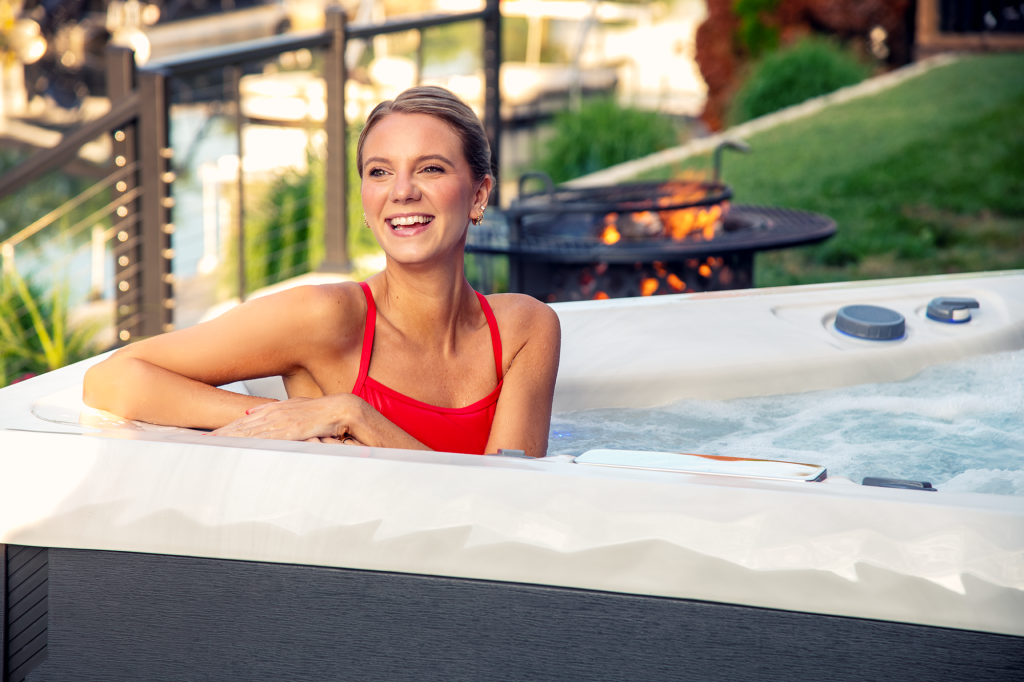
Many spa owners describe the experience in similar terms — a way to enjoy the feeling of a getaway without the travel.
“Purchasing this spa was one of the best decisions I made this year,” one Twilight Spas owner shares in a MasterSpas review. “Months after installation, we still use it almost every day. It truly feels like we have a backyard vacation available whenever we want.”
Turning your backyard into a personal getaway
Staycations do not require elaborate plans. Often, the most enjoyable moments are the simplest ones — spending time outside, connecting with family, or taking a break from the pace of everyday life.
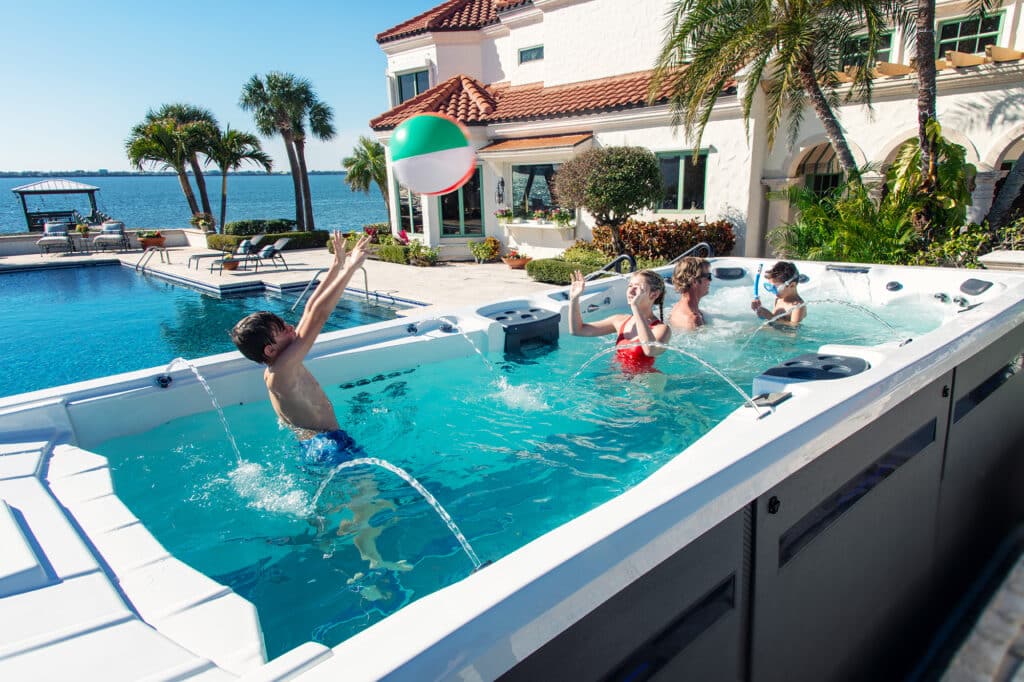
Features like comfortable seating areas, shade structures, and thoughtful lighting can help create an inviting environment that encourages relaxation. Hot tubs and swim spas are one example of a feature that can support this lifestyle. Warm water and hydrotherapy jets can help ease muscle tension, encourage relaxation, and support recovery after exercise or long days spent sitting or standing.
For many families, these spaces become natural gathering places. They offer opportunities to talk, unwind, and enjoy uninterrupted time together. Because they are always available, they can become part of a regular wellness routine rather than something reserved for special occasions.
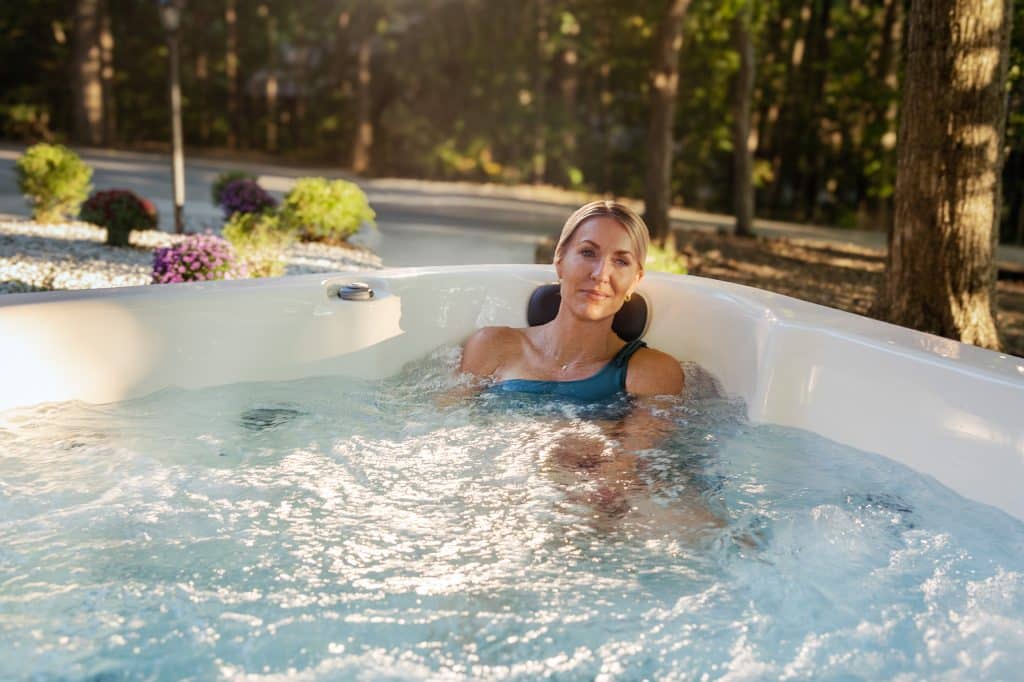
Some owners describe the feeling as having a personal retreat just steps outside their door — a place where it becomes easier to slow down and enjoy the moment.
A different way to think about time off
Taking time to rest is important, whether that happens across the country or in your own backyard.
Staycations offer a kind of flexibility that traditional travel sometimes cannot. There is no packing, no waiting, and no schedule to manage. Instead, relaxation can happen whenever it fits into your day.
For many homeowners, creating a space that supports regular moments of rest makes it easier to enjoy the feeling of getting away — even on an ordinary day.
MasterSpas hot tubs and swim spas are designed to make relaxation part of everyday life, combining hydrotherapy, comfort, and performance in a space you can enjoy year-round. Explore how you can create a backyard retreat that helps you feel refreshed — without ever leaving home.
Find your local MasterSpas dealer and start designing your own staycation space.