Hot tub features worth the investment (and which matter less)
April 22, 2026



Shopping for a hot tub can feel a bit like shopping for a car. Some features seem unnecessary at first — until you have them. Heated seats once felt like a luxury. Now, many people wouldn’t want to go without them. The same can be true with certain spa features. Thoughtful seating design, easy water care systems, or well-placed hydrotherapy jets can noticeably improve the experience and how often you use your hot tub.
At the same time, there are features that sound impressive but don’t always translate into everyday value. New technology might still be finding its footing. A feature that looks great in a showroom ends up being something you rarely use once the novelty wears off. And sometimes the added cost simply doesn’t match the benefit.
It might be easy to brush it off as a car buyer, when you replace your vehicle every several years. A hot tub, though, becomes a part of your home and routine for much longer. That makes it worth taking a closer look at which features truly contribute to comfort, performance, and ease of ownership over time.
When comparing hot tubs, you might wonder what features to look for in a hot tub and which upgrades are truly worth the investment. Focusing on features that support how you actually want to use the spa — whether that’s relaxing after a long day, recovering after exercise, or creating a space to unwind — can make the decision feel much more straightforward.
Hydrotherapy design makes the biggest difference
Hydrotherapy is the foundation of the hot tub experience — warm water, soothing massage jets, and a space designed to help the body relax more naturally.
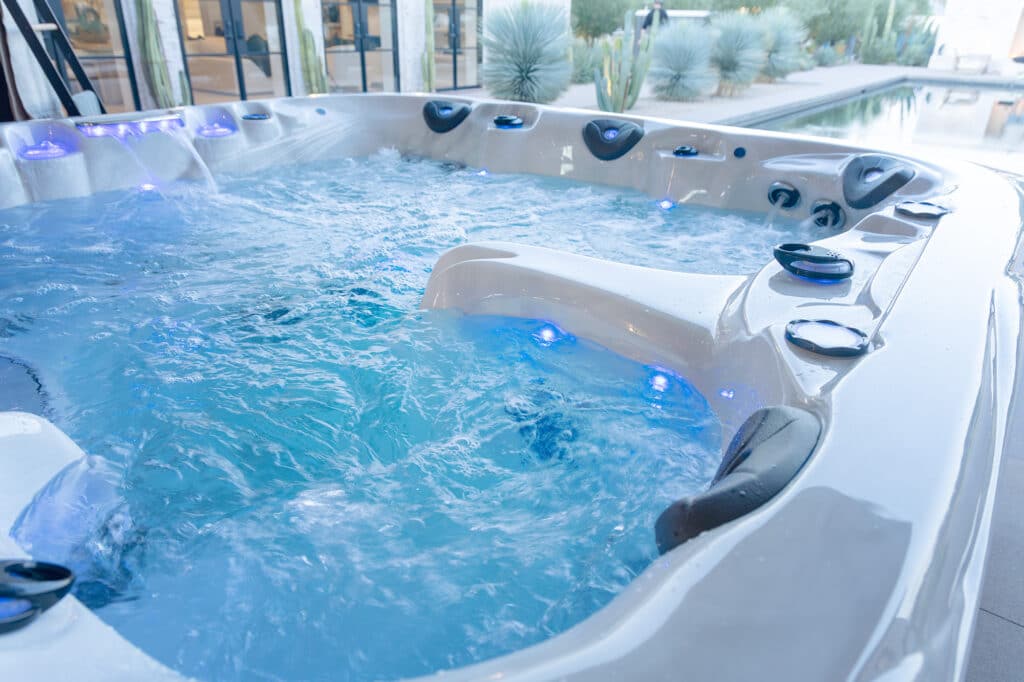
It can be easy to focus on the number of jets and assume that more means better. In reality, the layout and variety of jets often have a greater influence on the overall experience. Thoughtful hydrotherapy design focuses on targeting the areas where people commonly carry tension, such as the neck, shoulders, back, and hips.
A well-designed system uses a combination of jet types, placements, and pressure levels to create a massage that feels balanced and customizable rather than overwhelming or uneven.
Features like adjustable jets and varied configurations allow different users to find a massage experience that works for their body. The ability to interchange jets, choose specialty seating such as targeted therapy or whirlpool-style seats, and newer innovations like variable speed pump technology can further personalize the experience by allowing users to fine-tune water flow and intensity.
Seating comfort supports longer, more consistent use
Comfortable seating plays a bigger role than many people expect. When a seat supports the natural shape of the body, it’s easier to settle in and relax rather than constantly shifting position.
Different seat depths and configurations allow the experience to feel more personalized. Upright seats can provide consistent contact between the back and jets for a focused massage. Lounge seats allow the legs to fully extend, which some people find especially comfortable after physical activity. Cool down seats offer a place to sit partially out of the water, helping regulate body temperature while still enjoying the calming effect of warm water.
Some spas also include specialty seating designed to target specific areas of tension, such as seats focused on the neck and shoulders or whirlpool-style seats that surround the body with movement. Having a variety of seating options can make the spa more comfortable for different body types and preferences, while also allowing users to move between experiences during a single session.
When seating is thoughtfully designed, the spa feels more adaptable to changing needs — whether the goal is recovery, relaxation, or simply taking a few quiet minutes at the end of the day.
Water care systems can make ownership easier
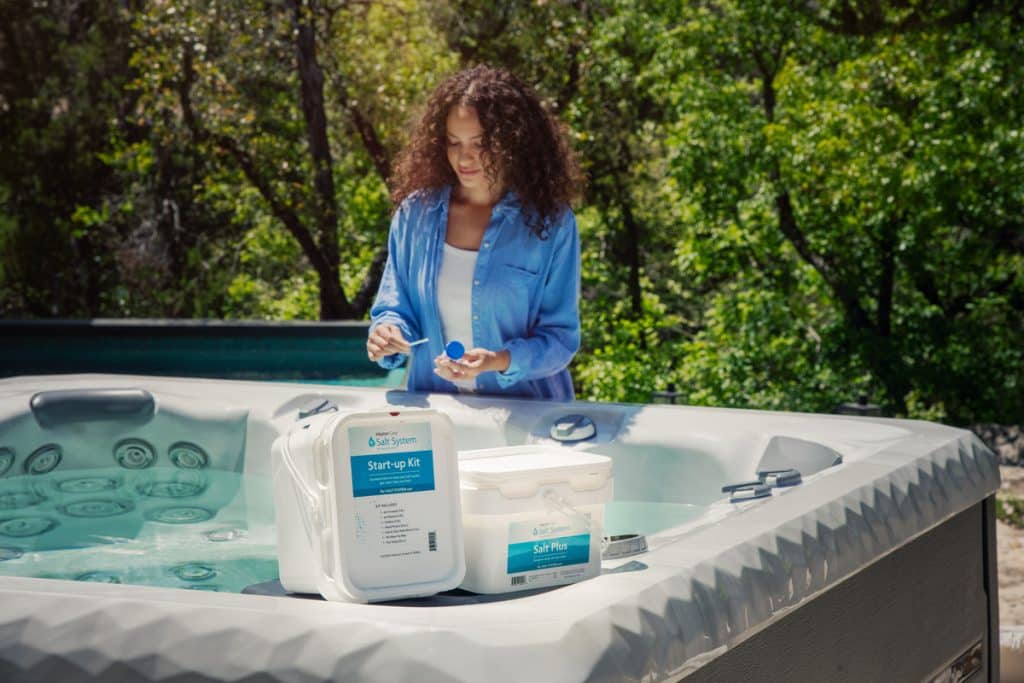
Ease of maintenance is often one of the biggest factors influencing how enjoyable a hot tub feels over time. Water care systems that help maintain balance and clarity can simplify routine upkeep and help owners feel more confident managing their spa.
Some systems automate portions of the sanitation process, helping maintain consistent water conditions with fewer adjustments. Saltwater hot tub systems, for example, generate sanitizer gradually over time, which can help keep water feeling clean while reducing the need for frequent manual dosing. Many users also appreciate the softer feel of salt water compared to traditional sanitation methods.
Regardless of the specific approach, features that help maintain stable water conditions can reduce guesswork and support a more predictable routine. When maintenance feels manageable, people are more likely to use their hot tub regularly.
Insulation and energy efficiency influence long-term satisfaction
Energy efficiency may not be the first feature buyers consider, but it often plays an important role in long-term ownership experience. Well-insulated hot tubs are better able to maintain water temperature, even during colder months, helping support year-round use while managing energy consumption.
Quality insulation can also help reduce vibration and noise while supporting consistent performance across seasons.
Because many people plan to use their spa regularly, insulation contributes not only to operating efficiency but also to comfort and reliability over time.
Simple hot tub features that improve daily use
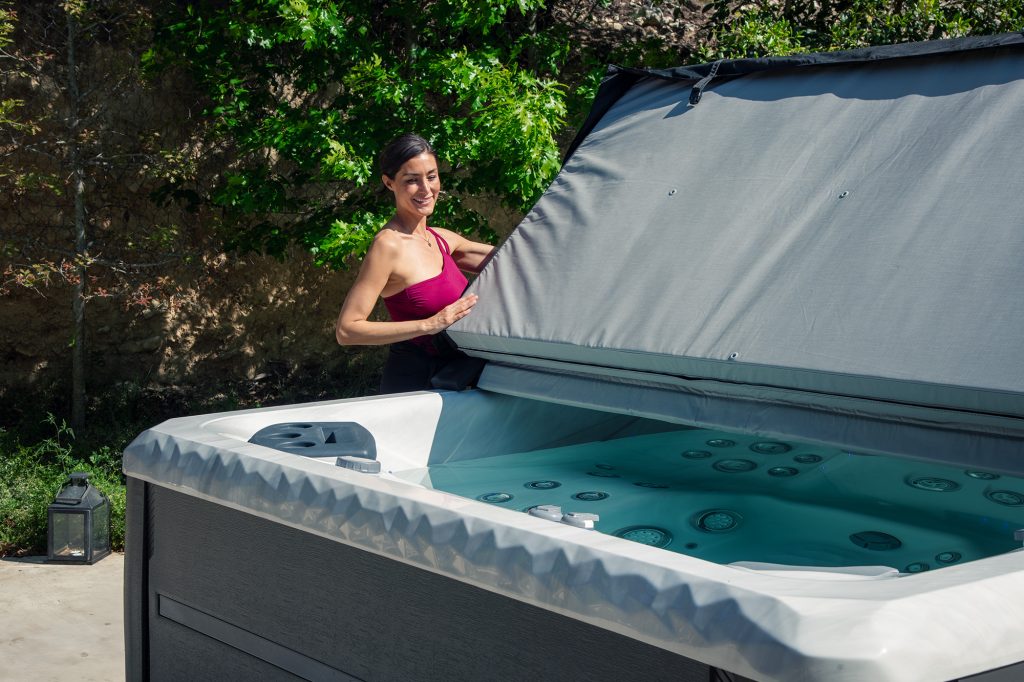
The best hot tub features are the ones that make it easier to make hydrotherapy a part of your regular routine. When a spa is simple to open, easy to adjust, and comfortable to enter, it removes small barriers that might otherwise make it feel inconvenient to use.
Features such as intuitive controls, energy-efficient covers, and cover lifters that make opening the spa feel almost effortless can influence how naturally the hot tub fits into everyday life. Comfortable entry points and thoughtful design details can also make a difference, especially when using the spa regularly after work, after exercise, or as part of a wind-down routine.
When a hot tub feels easy to use, it becomes easier to step outside for a few minutes of relaxation or recovery without needing to plan around the experience.
Over time, these practical features often have a greater impact on satisfaction than features that are used occasionally or require extra effort.
Small conveniences may not stand out at first, but they often shape how consistently a spa is used — and how worthwhile the investment feels over time.
How wellness trends influence hot tub features
Hot tub design continues to evolve as manufacturers introduce new ways to improve comfort, convenience, and personalization. In recent years, features such as zone lighting, updated cabinet finishes, adjustable headrests, and auxiliary controls have helped create a more customizable experience.
Some innovations focus on usability, while others build on broader wellness trends.
One of the features gaining traction is red light therapy, which reflects a growing interest in recovery, longevity, and overall well-being.
Because of the increased interest in wellness technology, some hot tub manufacturers have begun integrating red light therapy.
Red light therapy uses specific wavelengths of light that are believed to support cellular activity. Traditional red light therapy devices provide consistent exposure to targeted areas of the body in a controlled environment.
In a hot tub setting, the experience is naturally different. The water is moving and the exposure to the red light can depend on your swimsuit and position in the seat.
For many, the most noticeable hot tub benefits still come from features that support relaxation — such as jet placement, economic seating, and water temperature.
Choosing hot tub features are worth the investment
When comparing options, it can be helpful to consider how each feature contributes to everyday comfort and long-term enjoyment.
Features that support relaxation, reliability, and ease of use often provide the most lasting value.
A hot tub is most often used on ordinary days — after work, after exercise, or as part of a simple routine to relax and recharge. Features that contribute to comfort and consistency tend to shape the experience long after the excitement of the initial purchase.
Focusing on what will feel good not just on day one, but over many seasons of use, can help ensure the investment continues to feel worthwhile.