
Hot tub bubbles? Here’s how to fix foamy water
April 7, 2026



You open the cover, glance at the water, and notice something unusual — a layer of foam on the surface of your hot tub water.
It’s a common moment for hot tub owners: My hot tub has bubbles. Is something wrong?
In most cases, foamy hot tub water is simply a sign that something has built up in the water over time. Everyday products like laundry detergent, lotion, hair care products, and even natural body oils can gradually affect water balance. Once the jets are running, those substances become more visible, creating bubbles or foam.
The reassuring news is that foamy water is usually easy to correct. With a few adjustments — and a better understanding of what causes foam in the first place — your hot tub water can quickly return to the clean, clear experience you expect.
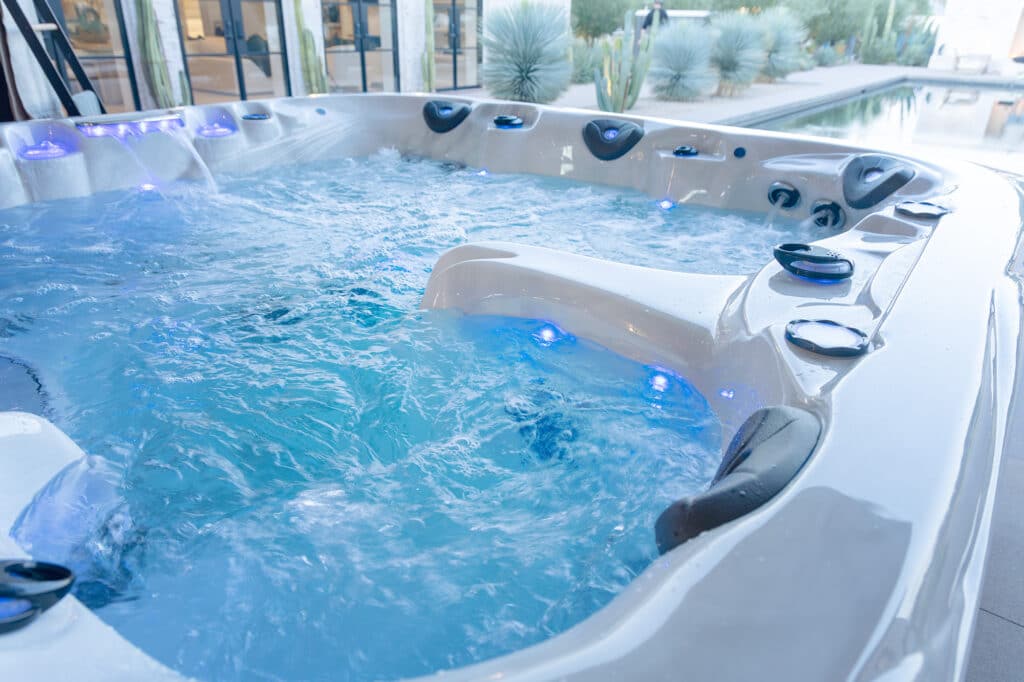
Why your hot tub has bubbles
Foamy water typically forms when substances collect in the water that change how it behaves when air is introduced through the jets. These substances reduce surface tension, allowing bubbles to linger rather than quickly disappear.
The most common sources are part of everyday life. Residue from swimsuits, body lotions, conditioner, makeup, deodorant, and sunscreen can gradually accumulate in the water. Even small amounts can become noticeable over time, particularly in a warm environment where the jets continuously circulate and aerate the water.
Unbalanced water chemistry can also contribute to foam formation. When calcium hardness is too low, water is more likely to produce persistent bubbles. Regular testing helps maintain balance and reduces the likelihood of foam developing.
Usage patterns also play a role, too. The more frequently a hot tub is enjoyed, the more organic material naturally enters the water. This is completely normal — and one of the reasons routine maintenance is part of long-term enjoyment.
Related video: How to Fill a Hot Tub

When bubbles are normal — and when they are not
Hot tubs naturally introduce air into the water through the jet system. Small bubbles that disappear quickly are simply part of the hydrotherapy experience.
Foam becomes more noticeable when the bubbles collect on the surface instead of dissipating. A thin layer of suds, clusters of foam in the corners, or bubbles that remain after the jets turn off are usually signs that something has accumulated in the water.
Over time, dissolved particles from personal care products, environmental debris, and normal use can increase total dissolved solids (TDS). As TDS levels rise, water can become more prone to foam and may lose some of its natural clarity.
None of this indicates that a hot tub is damaged. It simply means the water is ready for attention.
How to restore clear, balanced water
If you notice foam, a few simple steps can help restore the clean, inviting appearance you expect.
An anti-foam product can quickly reduce visible bubbles, making the water more enjoyable right away. While this addresses the immediate appearance, testing the water helps identify the underlying cause so the issue does not return.
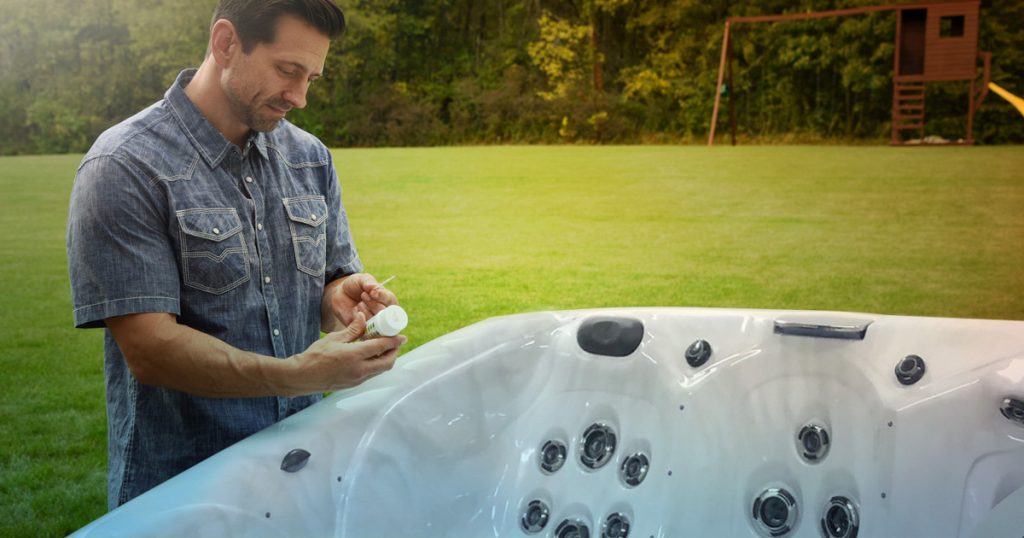
Checking calcium hardness, sanitizer levels, pH, and alkalinity ensures the water is properly balanced. Small adjustments often make a noticeable difference.
Filters also play an important role in maintaining water clarity. Designed to capture debris, oils, and other contaminants, filters benefit from regular rinsing as part of routine maintenance.
If foam persists after balancing the water, a drain and refill may be the most effective next step. Refreshing the water removes buildup that cannot always be corrected through chemical adjustments alone and helps restore the water’s natural feel.
Preventing foamy hot tub water before it starts
Many hot tub owners find that small habits make a meaningful difference in maintaining water clarity.
Rinsing off before entering the hot tub helps reduce the amount of lotion, hair products, and cosmetics introduced into the water. Thoroughly rinsing swimsuits after washing can help minimize detergent residue. Keeping hair secured or tied back can also limit product transfer into the water.
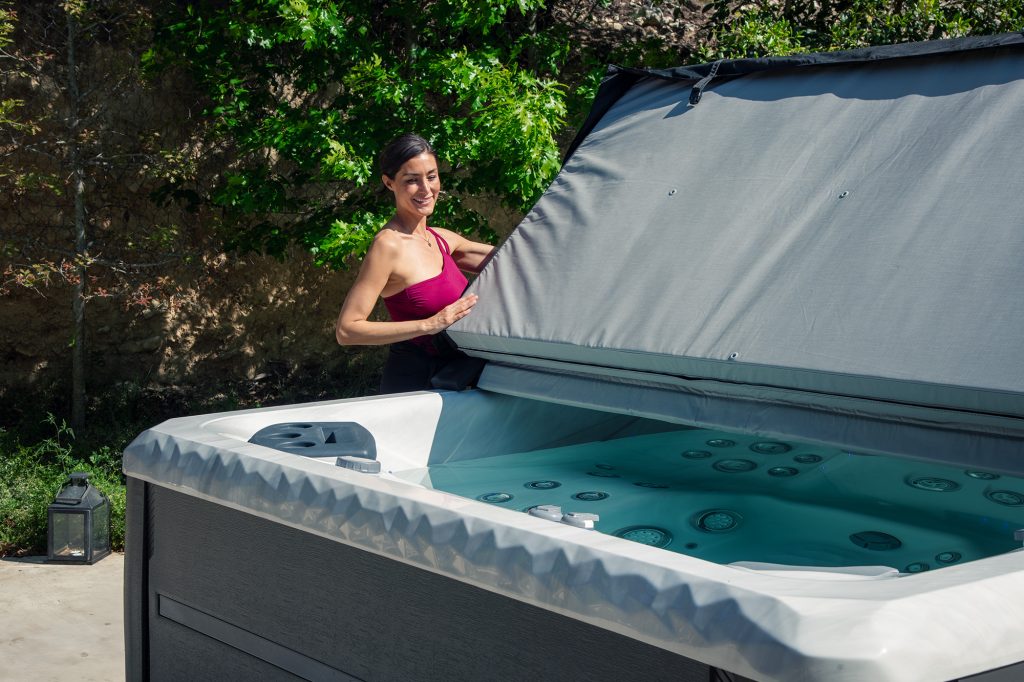
Consistent filter care and monitoring how frequently the hot tub is used both contribute to maintaining balance. Keeping the cover closed when the spa is not in use helps protect the water from environmental debris and preserves water quality.
Together, these small steps support a cleaner, more consistent soaking experience.
A simple maintenance rhythm
Routine care does not need to feel complicated. A consistent schedule keeps water balanced and helps prevent common concerns like foam.
Testing water weekly, cleaning filters regularly, and refreshing the water every few months helps maintain clarity and performance. Over time, this rhythm becomes second nature — allowing you to spend less time troubleshooting and more time enjoying your hot tub.
Helpful answers for hot tub owners
Is it normal for a hot tub to have bubbles?
Yes. Jets introduce air into the water, which naturally creates bubbles. Foam that lingers on the surface typically indicates a buildup of products or imbalanced water chemistry.
Does foam mean the water is unsafe?
Foam does not usually indicate a serious problem. It often signals that the water needs balancing or refreshing.
How often should hot tub water be changed?
Many owners choose to drain and refill their hot tub every three to six months, depending on frequency of use.
Will foam go away on its own?
Foam may temporarily dissipate, but addressing the underlying cause helps prevent it from returning.
Can swimsuits cause foam in a hot tub?
Yes. Detergent residue left in fabric can contribute to foam once the jets begin circulating water.