Do hot tubs help sore muscles?
January 6, 2026



Muscle soreness can show up in everyday life — when you get up to grab a glass of water, shift in your chair, or try to roll out of bed in the morning. Sometimes it’s the result of a particularly challenging workout. Other times it’s caused by stress, poor posture, or a chronic condition that makes discomfort part of daily life.
Some people turn to stretching, while others might use percussion massage guns, pain relievers, or topical creams for relief. Those can help. However, when your muscles already hurt, you don’t always want a solution that feels uncomfortable or demanding. Even a session with your favorite massage therapist can elicit more groans than sighs of relief.
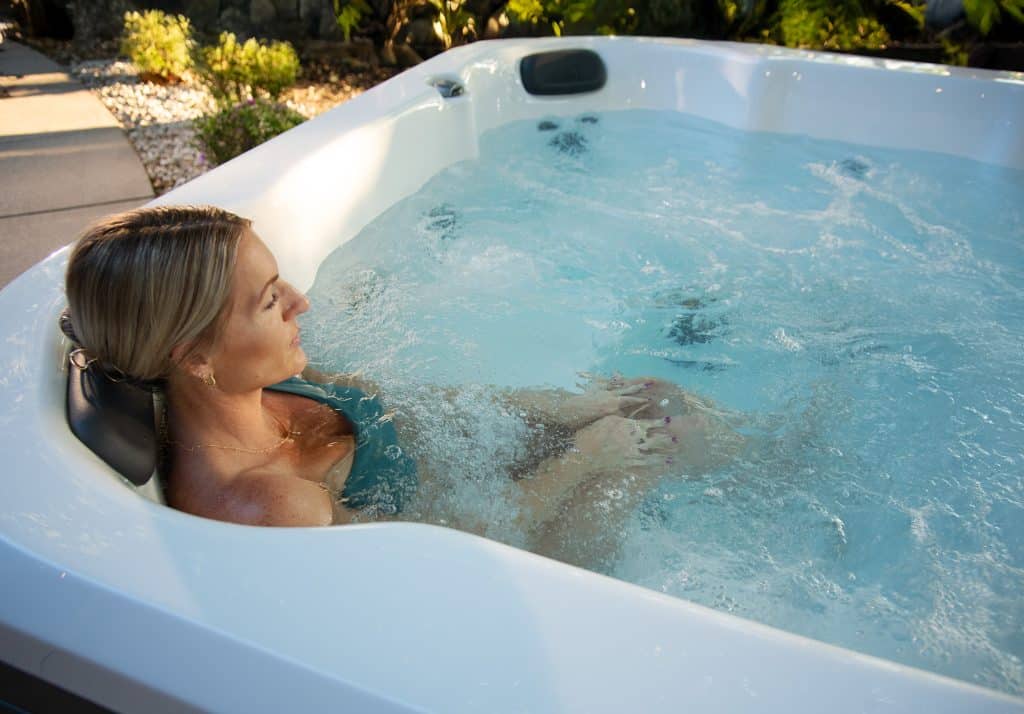
For many people, a more restorative option is warm water therapy. And one of the easiest ways to experience that kind of relief is by soaking in a hot tub. The warmth increases blood flow and improves flexibility, while the buoyancy and massage jets help relax tight muscles and ease stress-related tension — supporting faster recovery and less discomfort without adding more strain to your body.

Why muscles get sore in the first place
Many people associate sore muscles with working out. Whether you’re a beginner or a competitive athlete, a change in activity can lead to stiffness and tenderness.
Exercise-related soreness — often called DOMS — comes from microscopic tears in the muscle fibers. It usually starts one to two days after activity and can last several days as your muscles repair themselves.
But workouts aren’t the only cause.
Stress, inflammation, poor posture, and chronic conditions such as fibromyalgia can all contribute to muscle pain. When your body stays in a state of tension, your muscles remain tight — which leads to soreness, stiffness, and fatigue.
How a hot tub helps sore muscles recover
There’s no single fix for muscle soreness.If there were, we’d all be taking the same supplement, doing the same stretch, or using the same recovery tool and calling it a day. But soreness usually comes from a mix of things — fatigue, tight tissue, stress, and reduced circulation — which means recovery works best when it addresses more than one of those factors at the same time.
That’s why more holistic approaches, like hydrotherapy, tend to be so effective.
Soaking in a hot tub supports muscle recovery in several important ways.
1. Increased circulation
Warm water causes your blood vessels to widen, which improves circulation. Better blood flow delivers oxygen and nutrients to tired muscles while helping remove waste products that contribute to soreness. This process supports the body’s natural healing response and can reduce stiffness and tightness.
2. Massage and muscle relaxation
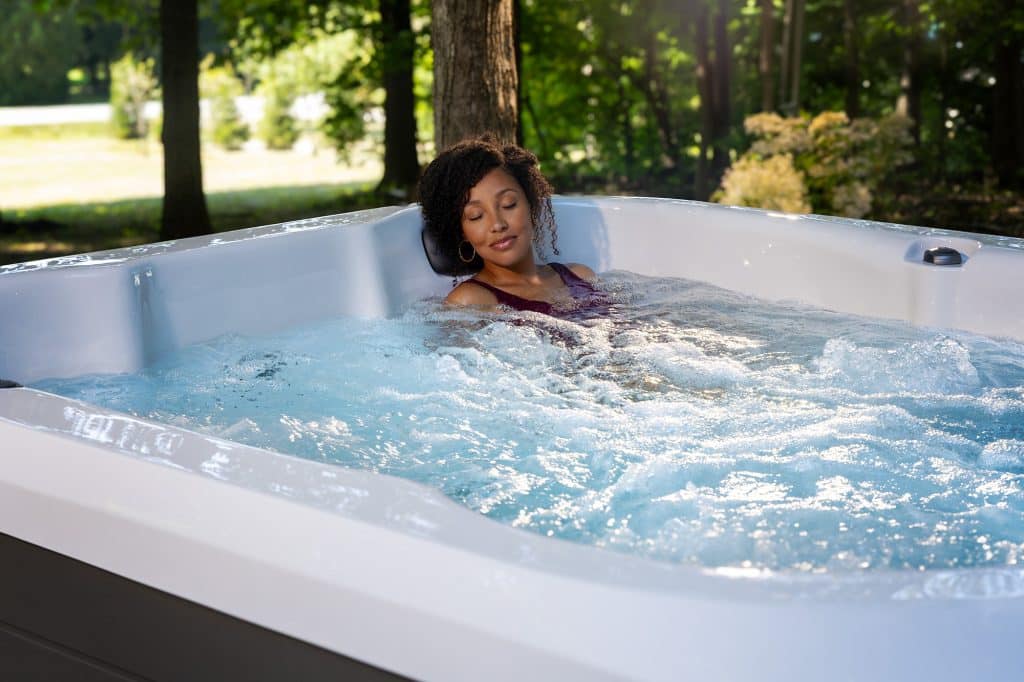
Hot tub jets deliver a soothing massage that targets tight or overworked muscles. Water and air pressure help loosen tissue, ease knots, and relax areas that tend to hold stress — especially the neck, shoulders, and lower back.
Unlike a single massage appointment, this kind of relief can be used as often as your body needs it. Adjustable jet pressure allows you to choose what feels right in the moment, whether that’s gentle support or deeper, more targeted relief.
3. Stress reduction
Stress and muscle pain are closely connected. When you’re stressed, your nervous system stays on high alert and your muscles remain tense.
Soaking in warm water helps shift your body into a calmer state. Breathing slows. Muscles soften. Your body stops bracing — and that alone can significantly reduce soreness.
4. Stretching and gentle movement
Warm water makes muscles more pliable and improves range of motion. The buoyancy of the water also takes pressure off the joints, making it easier to stretch safely and comfortably. Light movements such as knee hugs, slow leg lifts, or gentle yoga poses can further improve circulation and help flush out tension.
Hot tubs and chronic muscle pain
Muscle soreness isn’t always short-term. Chronic conditions like fibromyalgia can cause ongoing pain, stiffness, and fatigue that interfere with sleep, work, and quality of life. Research shows that about three out of four people with fibromyalgia also struggle with sleep, largely because pain keeps the nervous system activated.
Clinical studies have found that hydrotherapy significantly improves pain, stiffness, fatigue, sleep quality, and even anxiety and depression in people with fibromyalgia. Warm water, buoyancy, and gentle movement work together to calm the nervous system and reduce physical discomfort — creating an environment where the body can finally begin to recover.
Even if you don’t have a diagnosed condition, the same principles apply. When your muscles feel better, your body relaxes — and you move and sleep more easily.
How to use a hot tub for sore muscles
To get the most benefit, use your hot tub with a little intention:
Water temperature: 100–104°F
Soak time: 15–30 minutes
When to soak: After workouts, long days, or when soreness flares up
What to do in the water: Gentle stretching, slow movements, or simply relaxing into the jets
Hydrate before and after your soak, and listen to your body — soreness should ease, not increase.
Is a hot tub worth it for muscle recovery?
If sore muscles are limiting your workouts, your sleep, or how you feel day to day, having access to warm-water therapy at home can make a meaningful difference.
A hot tub won’t replace medical care. However, it can become one of the most effective tools you have for reducing tension, speeding recovery, and feeling better in your body.
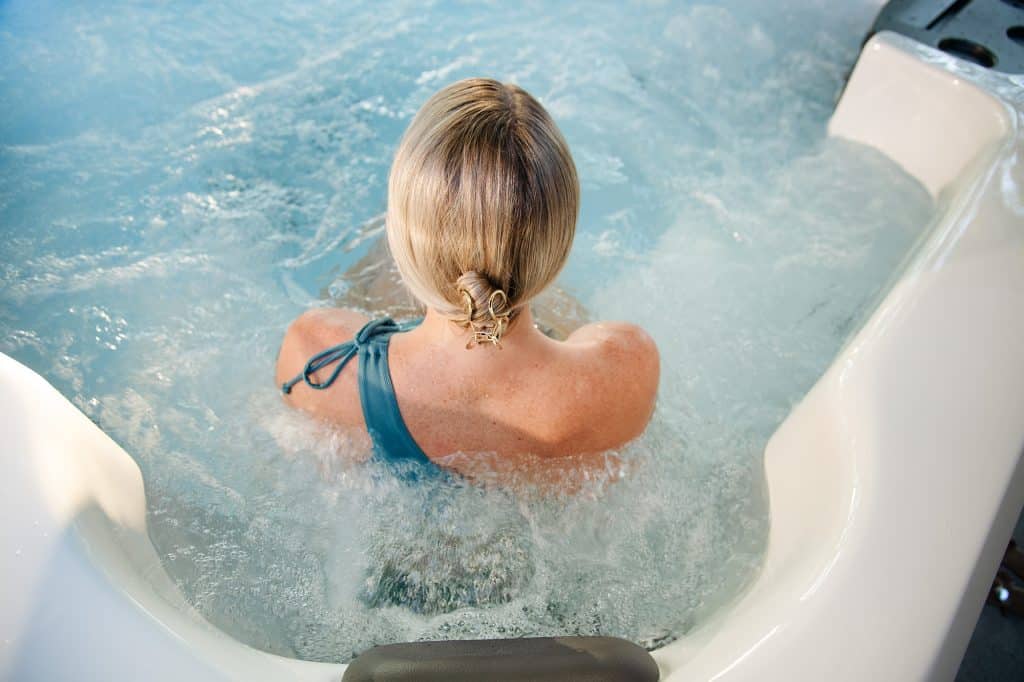
For many people, that starts with hydrotherapy at home. MasterSpas hot tubs are designed to make muscle recovery easy to build into real life, with targeted jets, comfortable seating, and temperature control that supports relaxation and relief whenever you need it.