Hot tub for sleep: A simple way to rest better
January 14, 2026



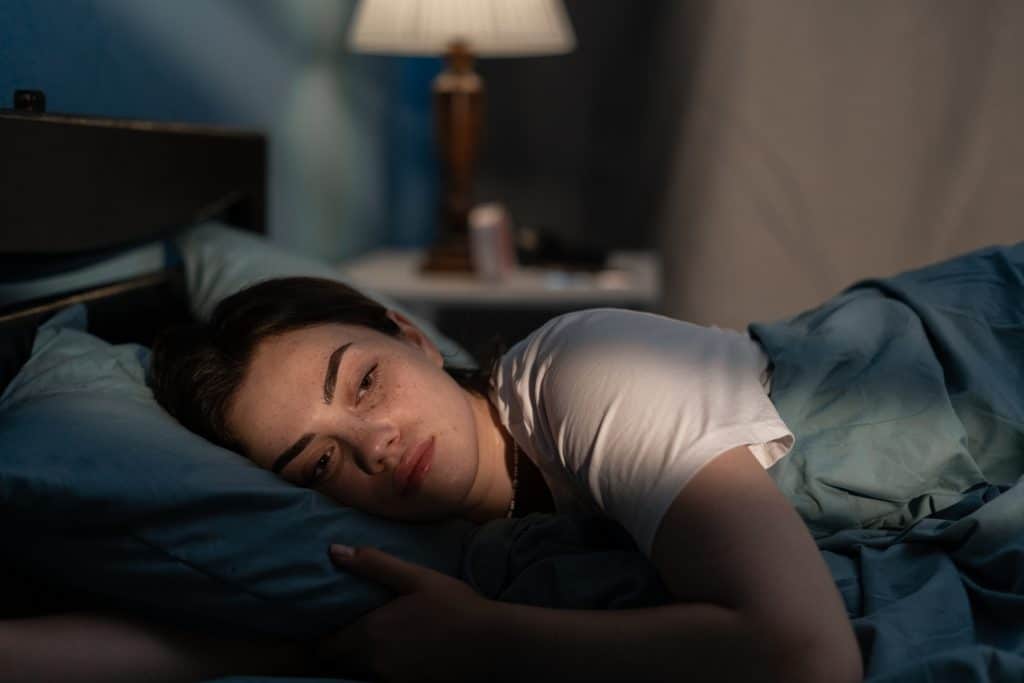
If you’re exhausted but wired at night, you’re not alone.
So many people describe the same thing: their body feels tired, but their mind won’t slow down. You crawl into bed hoping sleep will come quickly… and then you lie there, staring at the ceiling, replaying the day or worrying about tomorrow.
Sleep problems don’t always come from bad habits. Stress, pain, hormone changes, busy schedules, and even the way our nervous system responds to modern life can all make it harder to drift off — even when we desperately want to.
There’s no shortage of sleep advice out there. But one of the most effective, science-backed ways to prepare your body for rest also happens to be one of the most relaxing.
Using a hot tub before bed can help your body relax, lower stress, ease aches, and trigger the natural sleep response that makes it easier to fall asleep — and stay asleep.
Let’s look at how it works.
Can a hot tub actually help you sleep?
Yes — and there’s real science behind it.
A hot tub supports sleep in three important ways:
- It relaxes your nervous system
- It reduces physical discomfort and tension
- It changes your body temperature in a way that signals your brain it’s time for sleep
Stress is one of the biggest barriers to good sleep. When your stress hormones are elevated, your nervous system stays on high alert, making it harder for your body to transition into rest.
That’s where warm-water therapy comes in. In a clinical study conducted across multiple medical spa centers, researchers found that soaking in warm water significantly reduced psychological distress and lowered cortisol, the body’s primary stress hormone. Participants also reported improved well-being and better stress regulation after treatment.
Lower cortisol and a calmer nervous system are exactly what your body needs to fall asleep more easily and stay asleep longer.
When warm-water therapy reduces stress, eases muscle tension, and gently shifts your body temperature, it creates the perfect conditions for sleep to happen naturally.
How warm water relaxes your body and mind
Stress and sleep have a complicated relationship. When you don’t sleep well, stress rises. When stress rises, sleep becomes harder.
Warm water can help break that cycle.
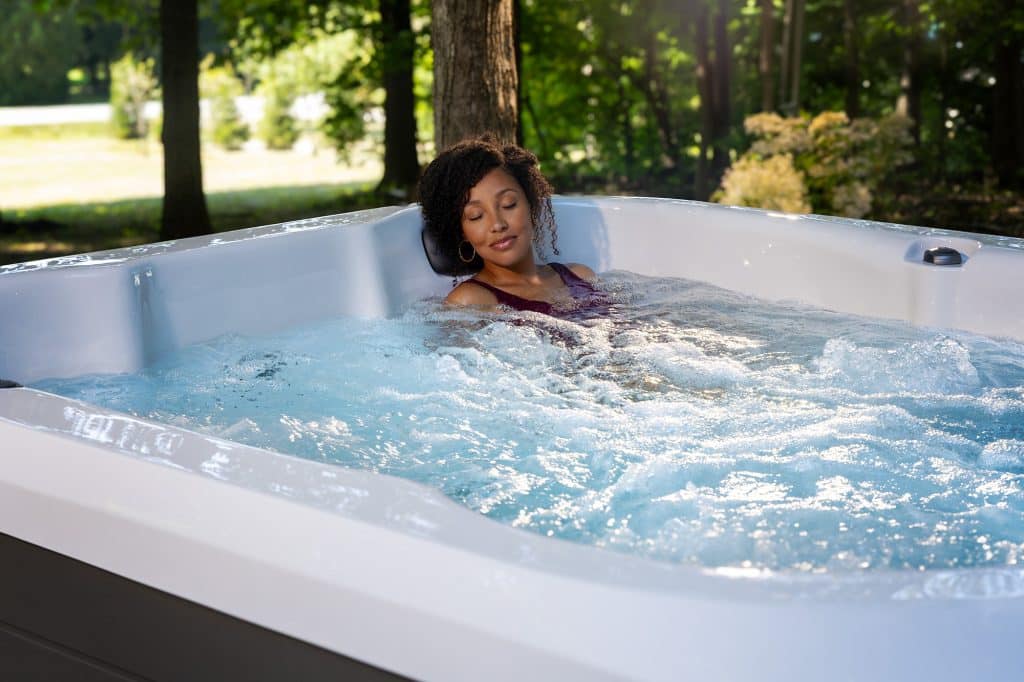
Soaking in a hot tub allows your body to shift from a “fight or flight” state into a more relaxed, parasympathetic state. You might notice that your breathing begins to slow. The tension in your muscles will start to ease. Your heart rate begins to settle. For many people, this is the first moment all day when their body finally feels safe enough to let go.
This matters for sleep because your brain takes cues from your body. When your body is tense, your brain stays alert. When your body relaxes, your brain begins preparing for rest.
Even a short soak in a hot tub — about 20 minutes — can noticeably lower stress levels and make it easier to quiet your mind before bed.
Why pain makes sleep harder and how hydrotherapy helps
Pain is one of the most common reasons people struggle to sleep. Whether it’s chronic joint pain, muscle tightness, or a condition like fibromyalgia, discomfort keeps the nervous system on high alert. That makes it harder to fall asleep, harder to stay asleep, and harder to feel rested in the morning.
This connection between pain and poor sleep is well documented. In fact, research shows that about three out of four people with fibromyalgia — a chronic condition that causes widespread pain and fatigue — also struggle with sleep quality.
What’s especially interesting is what happens when warm-water therapy is introduced.
In a clinical study of women with fibromyalgia, participants who completed a two-month hydrotherapy program saw significant improvements not only in pain, stiffness, and fatigue, but also in sleep quality and daytime sleepiness. Researchers also noted improvements in anxiety, depression, and overall physical function — all factors that directly affect how well someone sleeps.
Warm water helps in a few key ways. It increases circulation, which supports muscle recovery and reduces stiffness. The buoyancy of the water takes pressure off the joints and spine. And the gentle resistance and massage effect of moving water helps relax tense muscles that can keep the body from fully letting go at night.
Even if you don’t have a diagnosed condition like fibromyalgia, the same principles apply. When your body feels better, your nervous system settles — and sleep comes more easily.
The body-temperature effect that makes hot tubs so effective for sleep
This is one of the most important — and least understood — reasons hot tubs work for sleep.
When you soak in warm water, your core body temperature rises slightly. When you get out of the tub, your body cools down fairly quickly. That drop in temperature is a powerful biological signal that tells your brain it’s time to sleep.
It mimics what naturally happens at night when your circadian rhythm shifts into rest mode.
Research has shown that this post-soak temperature drop helps people fall asleep faster and experience deeper, more stable sleep — especially during the first few hours of the night.
How to use a hot tub for better sleep
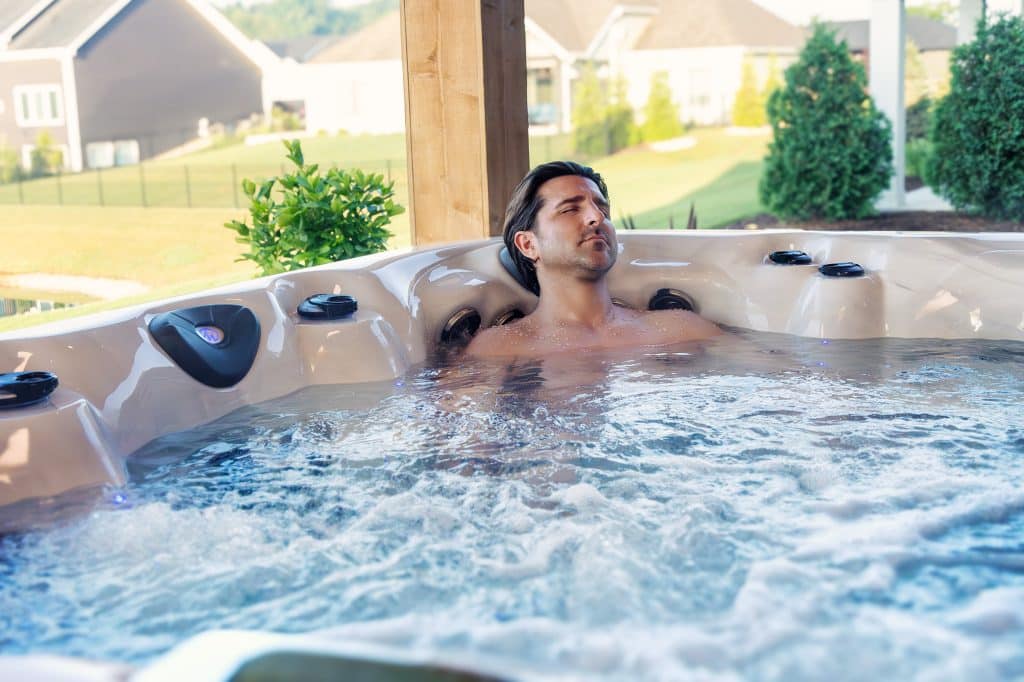
To get the best sleep benefits from a hot tub, a little intention goes a long way.
Here’s what works for most people:
Water temperature: Between 100 degrees and 104 degrees Fahrenheit
Soak time: 15 to 30 minutes
When to soak: About 60 to 90 minutes before bedtime
This timing allows your body temperature to rise and then fall naturally — right when you want to start drifting off.
After your soak:
- Drink some water
- Shower if you’d like
- Keep lights low
- Avoid screens if possible
Think of your hot tub as the first step in your wind-down routine, not something you do right before jumping into bed.
Why hot tubs are especially helpful for restless sleepers
If your sleep issues are tied to stress, racing thoughts, physical tension, or feeling “on edge” at night, a hot tub can be especially helpful.
Many people find that a nightly soak becomes a cue to their body that the day is over. It creates a clear boundary between the demands of the day and the calm of the evening — something most of us don’t get naturally anymore.
For hot tub owners, this is often one of the most meaningful benefits of having a spa at home: not just relaxation, but a better night’s sleep that shows up the next morning as more patience, better focus, and more energy.
Who should be cautious about hot tubs before bed
While hot tubs are safe and helpful for most people, there are a few situations where it’s smart to talk to your doctor first:
- If you have low or high blood pressure
- If you’re pregnant
- If you have heart conditions
- If you’re prone to overheating
Is a hot tub worth it if you struggle with sleep?
Better sleep can feel like it changes everything. When you sleep well, you think more clearly. You’re more patient. Your mood improves. Your immune system works better. Your body recovers faster.
A hot tub won’t solve every sleep problem, but for many people it becomes one of the most reliable tools they have for winding down and getting the rest they’ve been missing.
Whether you already own a spa or you’re exploring whether one could fit into your lifestyle, using a hot tub for sleep isn’t about luxury — it’s about creating the conditions your body needs to truly rest.
For many people, that starts with having access to hydrotherapy at home. MasterSpas hot tubs are designed to make that kind of nightly wind-down easy to build into real life — with comfortable seating, targeted jets, and temperature control that supports relaxation and recovery.