Is a gazebo right for your backyard? Pros, cons, and planning tips
February 10, 2026



Home improvement stores. Backyard showrooms. Your social feed.
As winter starts to lose its novelty and warmer days feel closer, gazebos suddenly seem to appear everywhere.
They aren’t a new trend. Gazebos have long been a backyard staple, especially when people start making plans to upgrade their backyards.
That renewed interest often leads to the same question: Should we add one to our yard?
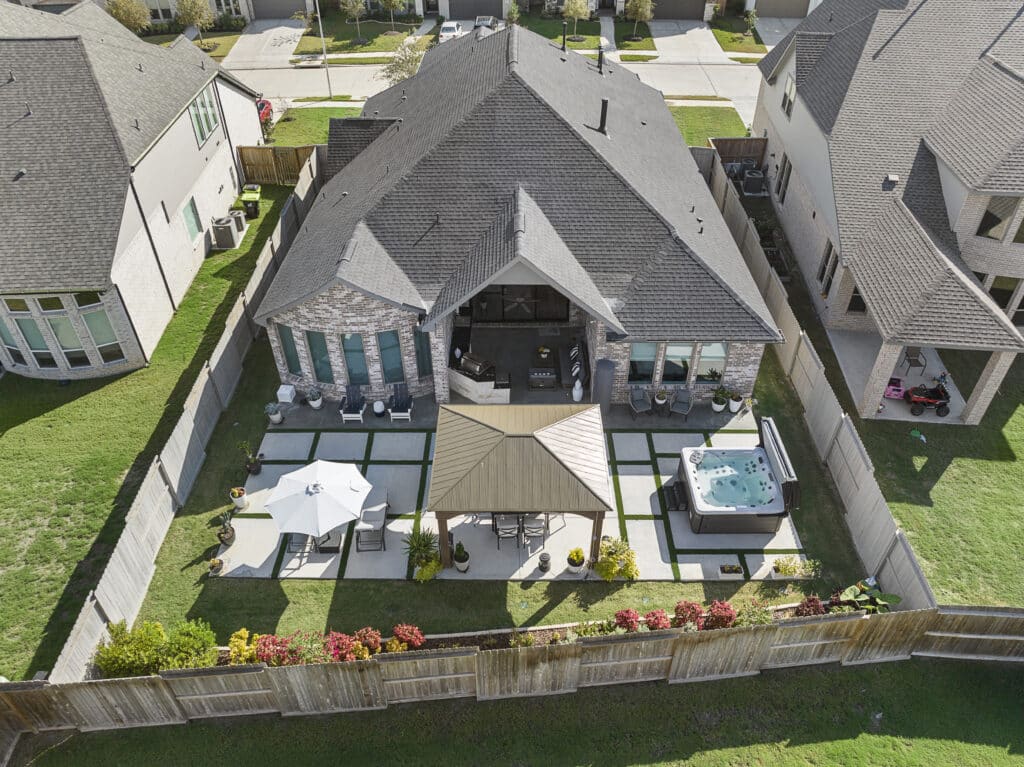
A gazebo can elevate how a backyard looks and functions, but it isn’t purely decorative. It provides shade, adds architectural structure, and influences everything from traffic flow to future upgrades—especially if a hot tub is part of your plan now or later.
Here’s what to know before committing, including the real advantages, the potential drawbacks, and how gazebos factor into long-term backyard planning.
What is a gazebo, exactly?
Backyard structures can blur together easily. Pergolas, pavilions, shade sails, screened enclosures — it’s not always obvious where one ends and another begins.
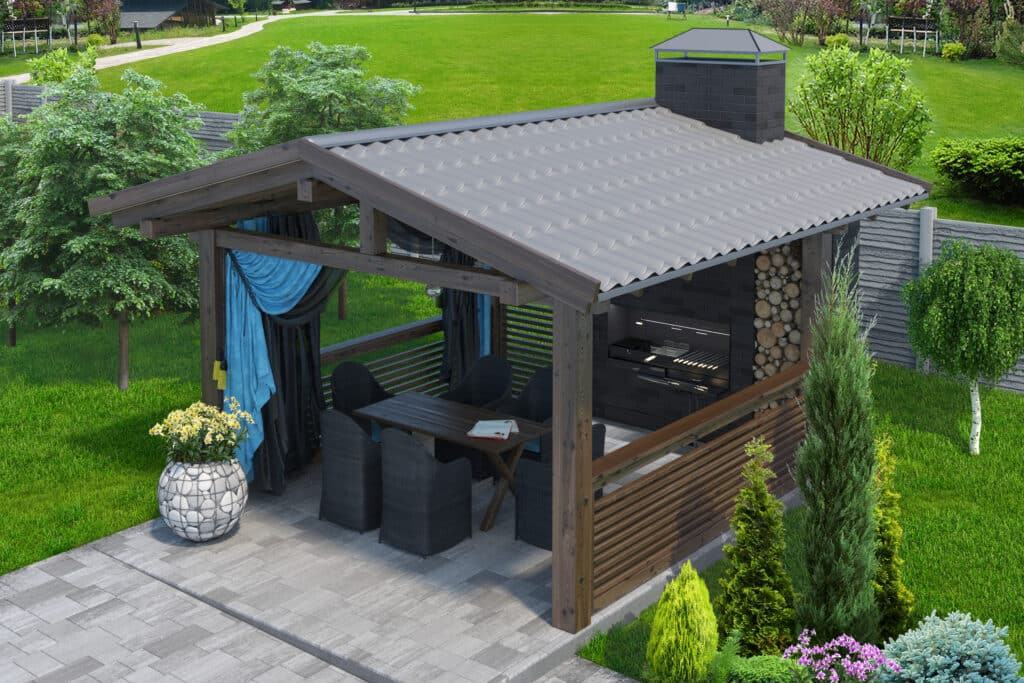
A gazebo typically refers to a freestanding outdoor structure with a solid, closed roof and open or partially enclosed sides. Historically, gazebos were ornate garden features you might picture in a park or formal landscape. Modern versions are far more flexible.
Today’s gazebos range from sleek aluminum frames sold as ready-to-assemble kits to substantial wood or timber builds tied into patios, lighting systems, and privacy walls. Some are open-air. Others include screens, curtains, or slatted panels. Some homeowners use them purely for seating and dining, while others design them specifically to shelter grills, fire features, or hot tubs.
Think of a gazebo as a permanent or semi-permanent way to define outdoor living space—more substantial than a pergola, but often less enclosed than a sunroom or porch addition.
Why homeowners add gazebos to their backyard
A sense of destination. Instead of a wide-open lawn with furniture scattered across it, a gazebo creates a place. A spot for dinner. A shaded corner for reading. Somewhere guests naturally gravitate during gatherings.
Comfort in changing weather. A roof overhead means relief from strong sun, light rain, or falling leaves. In many climates, that protection makes outdoor spaces usable for more months of the year. Adding lighting, a ceiling fan, or even a patio heater can extend the time you comfortably spend outside whether it’s in the evening or the cooler months.
An architectural anchor. From a design standpoint, gazebos often become the organizing feature in a yard. Pavers extend from them. Landscaping frames the posts. Furniture arrangements suddenly make sense. Even modest-sized structures can bring visual order to an outdoor layout.
Room to grow over time. Many homeowners start with patio seating beneath a gazebo, then rethink the space years later when a grill station, outdoor kitchen, or spa enters the picture. Others build with those possibilities in mind from the start.
The downsides of gazebos homeowners should consider
That polished look in inspiration photos rarely tells the whole story.
Cost and permitting
One of the biggest surprises is price. Prefabricated gazebo kits from warehouse or home improvement stores often fall in the $2,500 to $5,000 range before installation. Custom builds, especially those using cedar or heavy timber, can climb into the tens of thousands, particularly when foundations, roofing upgrades, electrical work, and privacy walls are involved.
Permanent structures may also require permits or HOA approval, which can affect both budgets and timelines.
Space requirements
A gazebo’s footprint is only part of the equation. A small, intimate gazebo might measure 8 feet by 8 feet while more spacious designs could measure 14′ x 14′ models or larger. The square footage can add up quickly once furniture, walkways, and landscaping are factored in.
Most yards benefit from several feet of clearance around the structure for circulation, planting beds, and access to nearby features. In smaller spaces, that buffer can shape what’s possible later, especially if you hope to add a hot tub, fire feature, or expanded patio down the road.
Before committing to a location, it helps to map out not just where the gazebo would sit, but how people will move around it and how the rest of the yard might evolve over time.
Ongoing maintenance
Material choice matters long-term. Wood structures bring warmth and character but might need sealing or staining over time. Metal frames tend to be lower maintenance, though they can heat up in direct sun or show wear depending on climate.
None of these factors make gazebos a poor choice. They simply mean the decision deserves more thought than “this looks great on Pinterest.”
How gazebos affect hot tub planning
Even if you’re focused on general backyard upgrades right now, hot tubs often appear in long-term plans. That’s where gazebo placement becomes especially important.
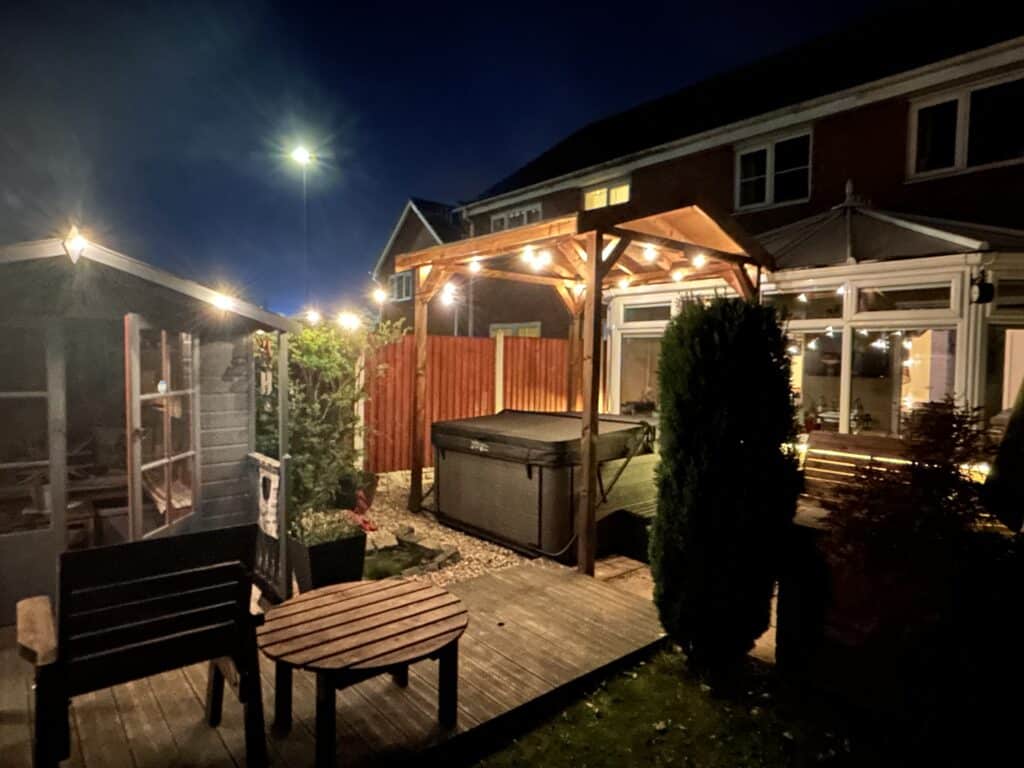
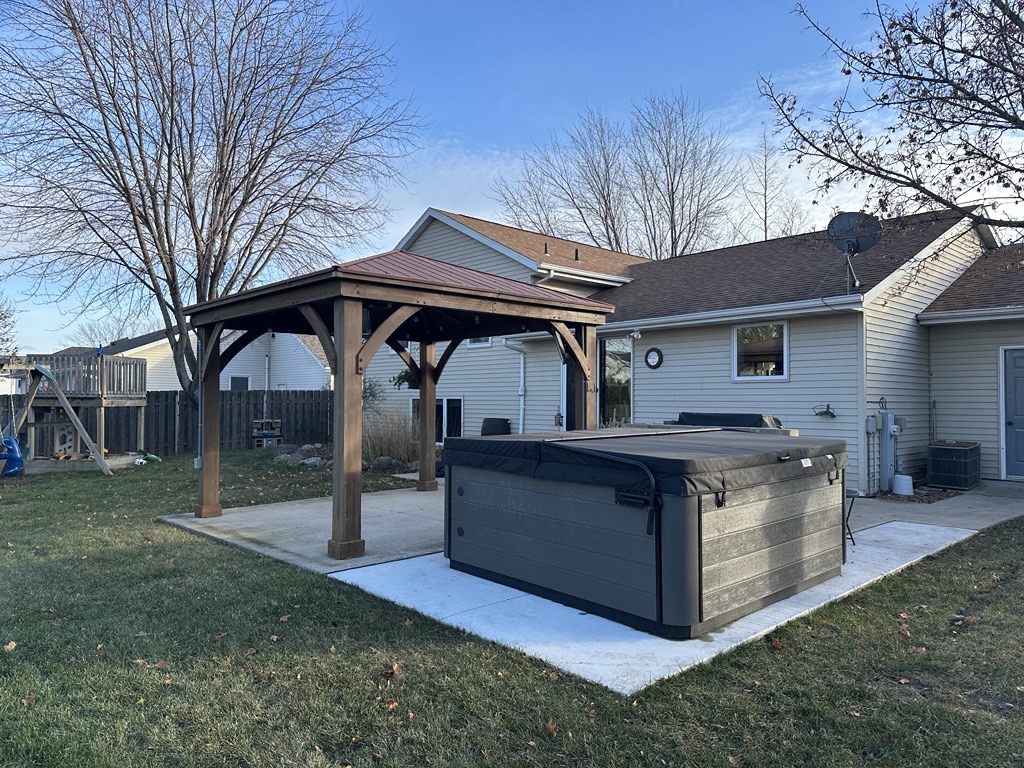
Some homeowners install a gazebo over patio furniture and keep the spa just outside of it. This preserves an open-air soaking experience while still giving guests a shaded place to sit nearby. It can visually balance the yard and prevent the structure from dominating the space.
The trade-off is that you may eventually wish the spa itself had overhead coverage—particularly during rainy seasons or when leaves start falling. Depending on how everything is laid out, adding another structure later may not be simple.
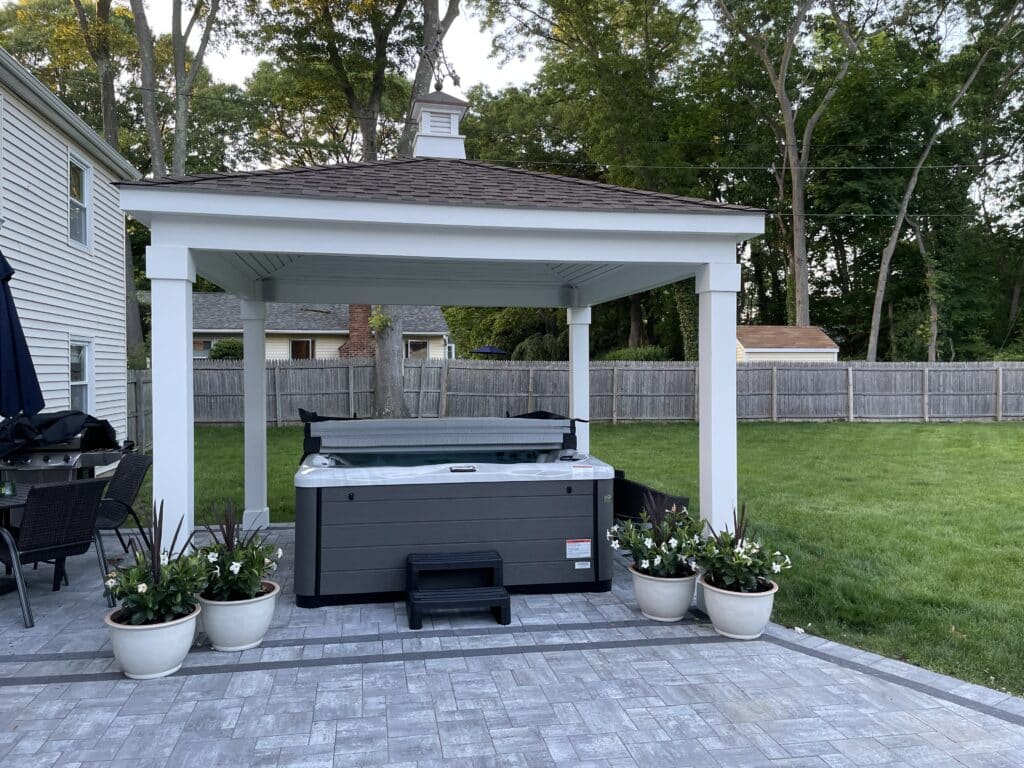
Others place the hot tub directly beneath the gazebo. This setup is increasingly popular for year-round use and for creating a more retreat-like atmosphere. Overhead shelter can make evening soaks more comfortable, improve privacy, and keep debris out of the water.
That approach requires additional planning. Steam needs somewhere to escape, so ventilation matters. Roof height affects how easily covers open and how enclosed the space feels. Electrical work must meet code when lighting or fans are installed above a spa.
Brands like MasterSpas often encourage homeowners to think through these layout questions early, so backyard structures complement how the space will actually be used rather than limit future possibilities.
How to think about gazebo placement before building
The best gazebo installations usually start with observation.
Spend time in your yard. Notice how people naturally move through it. Pay attention to what you see from inside the house. Watch where the sun hits hardest in the afternoon and where shade would genuinely be welcome.
Surfaces and drainage matter just as much. Gazebos are commonly built over concrete pads, pavers, or deck extensions, and water runoff has to be managed carefully, especially if a hot tub or seating area sits nearby.
Utilities are another quiet but critical detail. Running power for lights, heaters, fans, or speakers is far easier during construction than after the structure is finished.
Perhaps most important is leaving room for what comes next. Even if today’s plan is simply a dining set under cover, consider whether there’s space for steps, service access, landscaping to mature, or a spa to be added nearby down the road. Backyards evolve, and thoughtful layouts anticipate that change.
Is a gazebo worth adding?
For many homeowners, a gazebo makes sense but only when it fits the way the backyard is actually used.
A well-placed structure can add shade, create a defined seating area, and make outdoor spaces more comfortable for longer stretches of the year. It can also support future plans, whether that’s adding a hot tub, expanding a patio, or creating multiple zones for entertaining and relaxing.
The key is treating a gazebo as part of a larger layout, not a standalone feature. Before deciding where one should go, it helps to think through questions like:
- How often will we realistically use this space?
- Do we want coverage over seating, a spa, or both?
- Will this placement still work if we upgrade the yard later?
- Is there enough room for access, walkways, and maintenance?
When those considerations guide the design, a gazebo is far more likely to feel like a smart investment rather than an impulse upgrade.
Gazebo FAQs: Common questions homeowners ask
Do gazebos usually require permits?
Sometimes. Permanent gazebos that are anchored to the ground or built on concrete footings often require permits and inspections, especially if electrical is involved. Local zoning rules and HOA guidelines may also apply. Prefabricated or temporary structures may not need approval, but it’s always smart to check with your city or county before building.
How big should a gazebo be?
That depends on how you plan to use it. Smaller gazebos around 8′ x 8′ work well for compact seating areas, while 10′ x 12′ or 12′ x 14′ models are more comfortable for dining sets or larger furniture groupings. Gazebos 14′ x 14′ or larger are often chosen for hot tubs or multi-use spaces.
In any case, allow several feet of clearance around the structure for walkways, landscaping, and access.
Can you put a gazebo over a hot tub?
Yes, and many homeowners do. A gazebo can provide shade, privacy, and protection from debris. The key is planning for ventilation, roof height, and safe electrical installation. Steam needs somewhere to escape, and the hot tub cover should be able to open fully without hitting the roof.
What’s the difference between a gazebo and a pergola?
Pergolas typically have open, slatted roofs designed mainly for partial shade, while gazebos usually feature a solid roof for full coverage. Gazebos also tend to feel more enclosed and architectural, especially when screens or privacy panels are added.
Are gazebo kits worth it?
Gazebo kits can be a good option for homeowners who want a quicker, more budget-friendly solution. Many fall in the $2,500 to $5,000 range before installation. They’re best for patios or level areas and often come in aluminum or light-wood designs. Custom-built gazebos offer more flexibility and durability but cost significantly more.
What material lasts the longest?
Aluminum and steel frames are typically the lowest-maintenance options and hold up well in many climates. Cedar and other woods offer a classic look but may need periodic sealing or staining. Roof materials also matter. For example, metal roofs often last longer than shingles or fabric panels.
Can a gazebo increase home value?
A well-designed gazebo can improve the overall appeal of a backyard, which may help with resale—especially when it feels integrated into the landscape or patio design. The impact varies depending on permanence, materials, and how well the structure complements the home.
Is it possible to install a gazebo on an existing patio or deck?
Often, yes. Many gazebos are installed directly on concrete slabs, paver patios, or reinforced decks. Structural support, drainage, and anchoring are important considerations, so it’s worth confirming that the surface is suitable before purchasing.
What climate factors should I think about?
Snow loads, wind ratings, and insect screening all matter depending on where you live. In colder regions, roof strength is critical. In hot or buggy climates, ceiling fans and screened panels can make the space far more comfortable. Coastal or high-wind areas may require additional anchoring.